Women Journalists Coalition Hosts Dialogue on Countering Hate Speech in Syria’s Digital Space
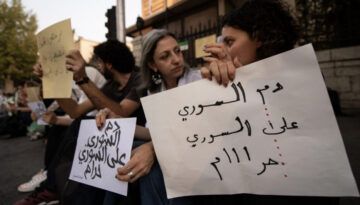
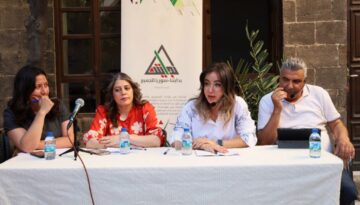
The Women Journalists Coalition, in collaboration with Bidayetna Association, organized a panel discussion titled “Our Shared Narrative: As Hate Rises to the Top of Syria’s Trending Conversations”, held on 25 June 2026 at the Bidayetna Association headquarters in Damascus. The event brought together human rights advocates, researchers, and journalists to discuss the growing prevalence of hate speech in Syria’s digital sphere and explore ways to address it.
The session featured founding member of the Women Journalists Coalition, journalist Zaina Erhaim, alongside lawyer Ezzeddine Ezzeddine from Bidayetna Association and researcher Rana Al Sheikh Ali from Darat Salam. The discussion was moderated by journalist Malak Shenwani.
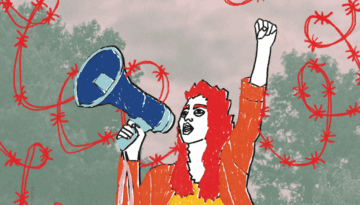
Erhaim presented the findings of a research paper examining the rise of hate speech—particularly sectarian and misogynistic discourse—across Syrian digital platforms, and its impact on shrinking the space for freedom of expression, especially for women and women journalists. The study highlighted how such hostility drives many women to practice self-censorship and withdraw from public debate.
The discussion also explored the media, legal, and social dimensions of hate speech. Participants exchanged practical approaches to curbing its spread, while emphasizing the importance of balancing the protection of freedom of expression with efforts to counter content that incites hatred or violence, violates individuals’ dignity, or deepens societal divisions.
Erhaim stressed that the professional responsibility of journalists extends beyond refraining from reproducing hate speech. It also includes producing alternative content that promotes coexistence, civil peace, and transitional justice, while focusing on the shared concerns affecting the lives of Syrians. She further emphasized the need to pursue two parallel tracks: first, producing professional journalism that contributes to building an inclusive national narrative; and second, avoiding giving hate speech additional visibility by refraining from amplifying or engaging with it in ways that contribute to its wider dissemination.
The session concluded by underscoring the importance of collaboration among journalists, human rights advocates, and civil society actors to develop media, legal, and community-based mechanisms to counter hate speech and promote public discourse grounded in respect for diversity and human rights. Such efforts, participants agreed, are essential to supporting civil peace and strengthening social cohesion in Syria.