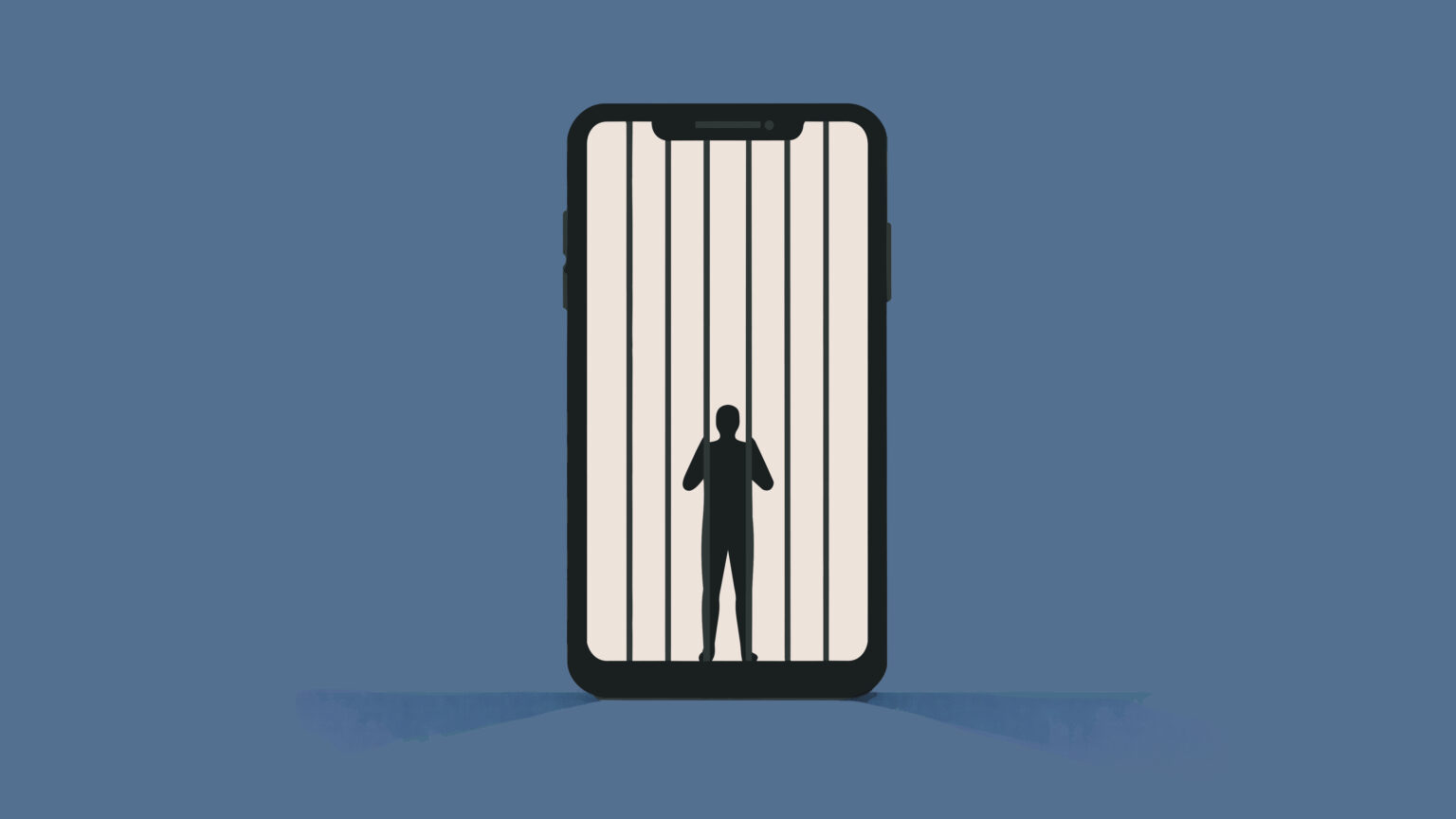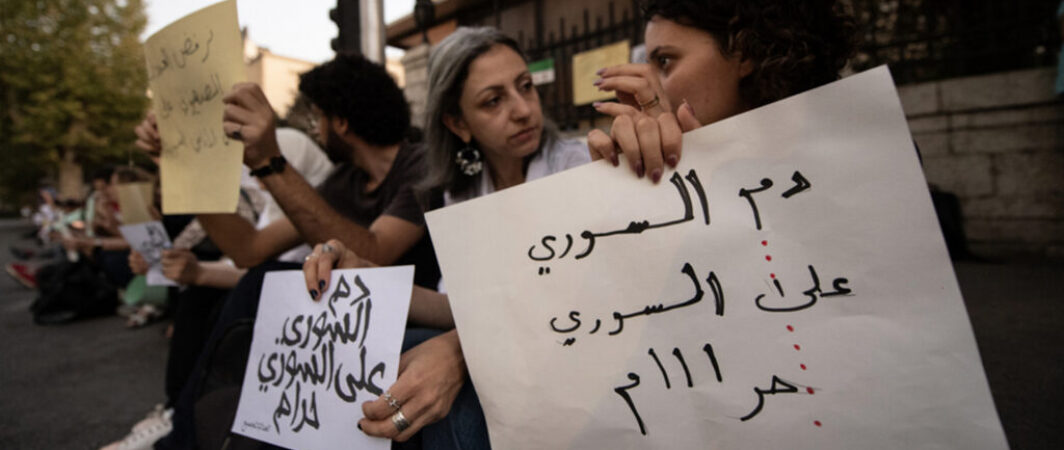
Since the fall of the regime, I have tracked coordinated online smear campaigns targeting 20 Syrian women across various professional fields, each attacked under different pretexts. These assaults deploy the well-documented playbook of digital character assassination: highly sexualized language, explicit threats of rape, the distribution of non-consensual images, and coordinated mobs flooding their profiles with hate speech and sexist slurs. Increasingly, these tactics are augmented by AI-generated, gendered disinformation campaigns meticulously designed to destroy their reputations. In addition, engagement-driven algorithms on social media platforms let extreme actors – from all sides – weaponize platforms to incite violence.
To further understand this trend in Syria, I interviewed (either in person or online) 13 women from different backgrounds, 11 of whom are based inside Syria and two abroad. Some resisted the campaigns and decided to stay online, while others had to leave. Ten of them I interviewed, also as part of my work with the Women Journalists Alliance (WJA). Their stories reflect a broader reality, that of Syrian online spaces that have become even more misogynistic and hostile.